
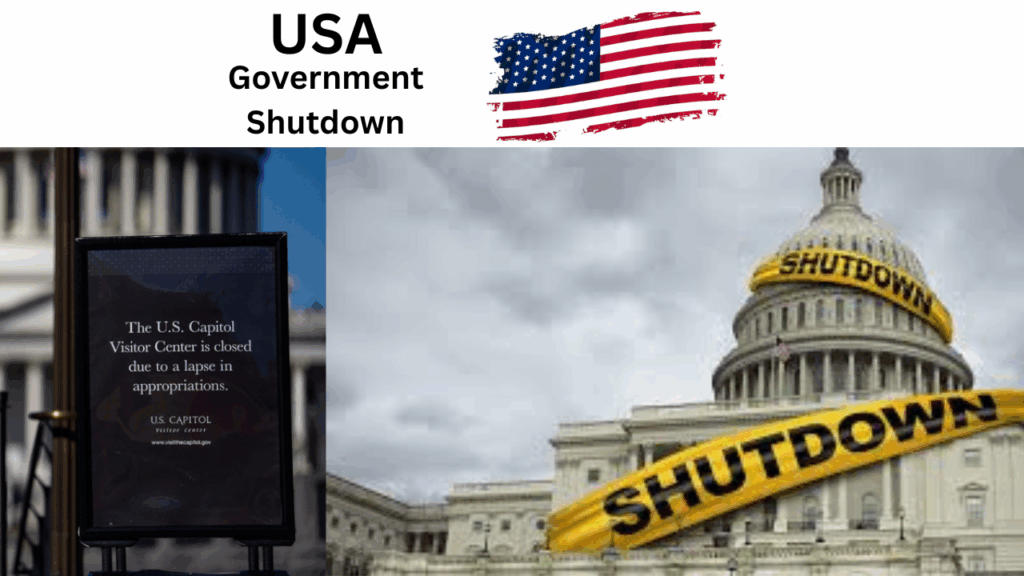
After 40 tense days, the U.S. Senate has finally broken through a deadlock, voting to reopen the federal government and end one of the most politically charged shutdowns in recent years. The breakthrough came after Senate Democrats, led by Chuck Schumer, held together through weeks of negotiations — but ultimately had to compromise on major demands, including an extension of expiring health insurance subsidies.
What we’re covering
• Senate moves forward: The Senate has voted 60-40 on a key step toward reopening the government. The vote came after a critical group of eight Senate Democratic centrists reached a deal with Senate GOP leaders and the White House to reopen the government in exchange for a future vote on extending enhanced Affordable Care subsidies.
• What happens next? There is more to come before the government can reopen. Any one senator can delay consideration of the package for several days, plus the House will have to return and adopt the deal struck in the Senate before it gets sent to President Donald Trump’s desk.
• Compounding impacts: The shutdown’s effects are being felt across the country. Ahead of the vote, Transportation Secretary Sean Duffy said he believed air travel would be “reduced to a trickle” ahead of Thanksgiving. And the Department of Agriculture ordered states to stop issuing full food stamp benefits after a Supreme Court move.
Senate majority leader hopes to pass bill to reopen government early this week

Efforts to swiftly end the US government shutdown collapsed Wednesday as Democrats in Congress rejected proposals to resolve an acrimonious funding stand-off with President Donald Trump and the White House threatened public sector jobs.
With the government out of money after Trump and lawmakers failed to agree on a deal to keep the lights on, federal departments have been closing since midnight, with the White House warning of “imminent” firings of public sector workers.
Senate Democrats — who are demanding extended health care subsidies for low income families — refused to help the majority Republicans approve a House-passed bill that would have reopened the government for several weeks while negotiations continue.
Around 750,000 federal employees are expected to be placed on furlough — a kind of enforced leave, with pay withheld until they return to work.
Essential workers such as the military and border agents may be forced to work without pay and some will likely miss pay checks next week.
This high-stakes political showdown not only affected millions of Americans but also reshaped the power dynamics between Democrats and Republicans as the 2026 elections approach.
Let’s explore the six biggest takeaways from the Senate deal to end the shutdown — and what it means for the future of Washington politics.
Chuck Schumer Proved His Political Strength
For 40 days, Senator Chuck Schumer kept his caucus unified, an impressive feat in an era of deep political division. His leadership ensured Democrats presented a consistent front, despite growing frustration from both the public and moderate lawmakers.
Political analysts say this could strengthen Schumer’s influence heading into 2026.
Democrats Failed to Secure Health Subsidy Extension
Despite their unified stance, Democrats were unable to achieve one of their main policy goals — extending key health insurance subsidies for working Americans. The loss underscores how difficult it is to negotiate policy wins during a fiscal standoff.
Republicans Played Hardball — and Won the Round
Republicans refused to add new spending or social programs to the funding bill. Their patience paid off, as the final deal focused solely on reopening the government — without major Democratic gains.
The GOP’s message of fiscal discipline may resonate with conservative voters heading into midterms.
Public Pressure Finally Forced Action
Federal employees missing paychecks, disrupted services, and growing public anger pushed both parties to end the deadlock. As polls showed voter frustration, lawmakers realized the shutdown was hurting everyone — politically and economically.
The Shutdown Deal Is Temporary
This is not a final fix — it’s a short-term funding measure. Congress will face the same battle again within months unless leaders agree on a comprehensive spending plan.
The next budget deadline could trigger another high-stakes standoff.
Eyes on the 2026 Elections
Both parties are already spinning the outcome. Democrats emphasize unity and compassion for workers; Republicans highlight fiscal control. How voters interpret the shutdown’s end could shape the 2026 midterm landscape.
Final Thoughts
The end of the government shutdown brings temporary relief — but long-term uncertainty remains. The Senate’s deal shows that compromise is still possible in Washington, yet the lack of lasting reform means the cycle could repeat.
As Americans breathe a sigh of relief, one question lingers: How long before the next political showdown?